






Oggi, nel mondo dell’hospitality, parlare di sostenibilità non basta più.
In today’s hospitality industry, sustainability alone is no longer enough.
For hotels, resorts, beach clubs, and spas, the real challenge is to design spaces that do more than reduce impact. They need to create value: for guests, for day-to-day operations, and for the overall quality of the experience.
This is where the concept of regenerative hospitality comes in. Not as a passing trend, but as a design approach centered on well-being, durability, identity, and perceived quality.
In this sense, the topic is perfectly aligned with the conversation surrounding Salone del Mobile.Milano 2026, scheduled from April 21 to 26 at Fiera Milano Rho, an international reference point where innovation, design culture, and the contract sector continue to shape the future of hospitality environments.
From Sustainability to Regenerative Hospitality: What really changes
Sustainability has taught us to reduce waste, resource consumption, and environmental impact.
Regeneration goes a step further. It means designing spaces that enhance the guest experience, stand the test of time, and generate value both for the people who use them and for the people who manage them.
For a hospitality property, this translates into outdoor environments that:
- enhance perceived guest comfort
- preserve aesthetic and functional quality season after season
- simplify maintenance and daily operations
- strengthen the property’s positioning
Outdoor spaces are no longer just a backdrop. They become an active part of the guest experienceienza.
Why this matters in 2026
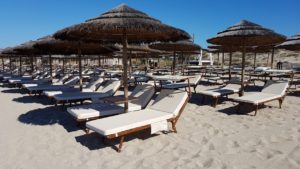
Outdoor areas now play a growing role in how guests perceive their stay. Whether poolside, on a terrace, or in a lounge, guests expect comfort, harmony, functionality, and a strong sense of consistency with the property’s brand.
Professional outdoor furniture: materials, durability, and management
In the contract sector, true sustainability also depends on durability.
Furniture that lasts over time, is easy to maintain, and preserves both comfort and aesthetics reduces replacement cycles, simplifies operations, and protects the investment.
When selecting outdoor furniture for hotels and resorts, key features include:
- UV resistance
- reliable performance in the presence of water, chlorine, and weather exposure
- easy-to-clean surfaces
- materials suited to intensive use
- comfort that remains consistent over time
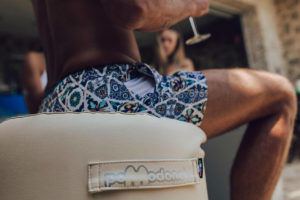
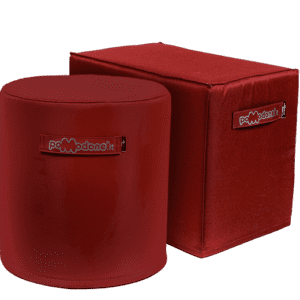
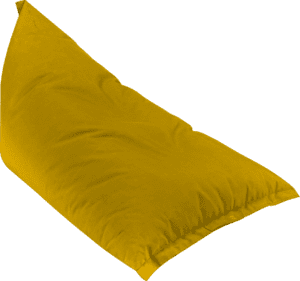
Pomodone presents its collections as solutions developed for hotels, tourist properties, and hospitality venues, with waterproof, UV-resistant products available in different fabrics and designed for high-frequency outdoor use.

Regeneration also means improving people’s well-being
Regenerative hospitality is not only about the environmental dimension. It is also about human well-being.
A well-designed outdoor space can reduce stress, encourage longer stays, improve the quality of relaxation, and make the overall experience more consistent with the property’s positioning.
That is why ergonomic seating, well-designed cushions, soft lounge areas, balanced palettes, and tactile materials should never be seen as mere decorative details. They become tangible tools of well-being.
Design and well-being as experience drivers
Outdoor comfort is created through the balance of aesthetics, materials, and design thinking.

The value of custom outdoor furniture for hotels and resorts

Not all outdoor spaces have the same needs.
Guest flows vary, the guest profile changes, exposure to the elements differs, and service and image goals are never identical. This is why customization becomes a real asset, not just an aesthetic choice.
It means selecting solutions that fit the project more precisely: its materials, color palette, architectural setting, and operational requirements.
Pomodone interprets this vision through Made in Italy artisanal production, where quality, ergonomics, versatility, and attention to detail become practical tools for customization and design consistency.
The Pomodone Perspective
For Pomodone, going beyond sustainability means designing outdoor furniture and accessories that combine:
- real comfort
- high perceived quality
- technical materials suited to professional use
- long-term durability
- ease of management
- consistency with the property’s identity
From padded cushions to collections designed for outdoor relaxation, and from poolside solutions to hospitality environments, the value does not lie in the object alone. It lies in the way each element contributes to a more harmonious, manageable, and memorable experience.
Beyond “do no harm”: a new direction for hospitality design
This is the real cultural shift: the hospitality of the future will not simply aim to reduce impact. It will seek to generate value.
Value for the people who experience the space.
Value for the people who design and manage it.
Value for the brand it represents.
Value for the quality the project can express over time.
And it is precisely outdoors that this vision becomes most visible: on a terrace, by the pool, in a lounge, or at a beach club, a decisive part of the perceived guest experience is shaped today.
Request a consultation for your hospitality project.
FAQ
Regenerative hospitality is an approach that goes beyond reducing impact. Its goal is to create spaces that improve guest well-being, enhance the surrounding context, and increase the perceived quality of the experience.
Because outdoor spaces increasingly influence how a stay is perceived. Comfort, durability, maintenance, and aesthetic consistency all have a direct impact on the property’s perceived value.
It should be UV-resistant, suitable for intensive use, easy to clean, durable over time, and consistent with the property’s identity. Pomodone presents many of its collections precisely through these technical and practical qualities.
Whenever a property has specific requirements in terms of layout, materials, colors, brand image, or operations. In hospitality, customization helps create spaces that are more coherent, distinctive, and effective.